Kartik, also known as Damodar month, is one of the most cherished months of the Vaishnava year. In 2026 it starts on Monday, 26 October and closes on Monday, 24 November, the full-moon day of Kartik Purnima. Calendars vary a little by place, so also check with your local temple.
The Name "Damodar"
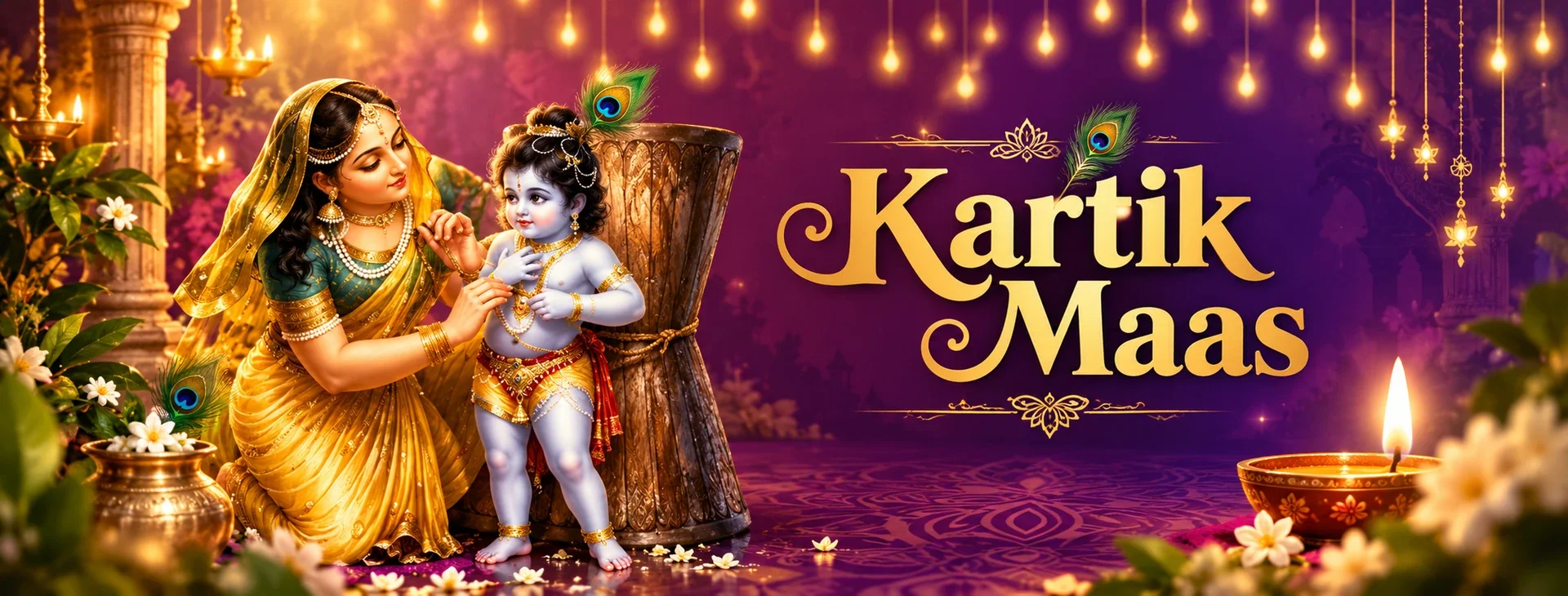
The month is dedicated to Lord Krishna in His childhood form as Damodara. After one of His mischievous pranks, Mother Yashoda tried to tie Him to a heavy wooden grinding mortar with a rope. No material force can restrain the Supreme Lord, yet out of love for His mother He let Himself be bound. The pastime appears in the Tenth Canto of the Srimad-Bhagavatam (SB 10.9).
The message is plain and enduring: the Lord freely yields to pure love.
What Kartik Is For
Kartik invites us to remember Krishna steadily, live a little more simply and put sincere effort into devotional service. It is not meant for ritual alone, nor for worldly gain. Yashoda's example shows that loving service counts for more than outward show.
It is also a good time to form better habits. A small vow kept every day is worth more than a grand one abandoned by the end of the first week.
Ways to Observe the Month
- Offer a lamp. The signature practice is offering a ghee lamp daily to Sri Yashoda Damodara, at home or in the temple. Be careful with the flame. If you cannot arrange a lamp, offer prayer, chanting or some other service.
- Sing the Damodarashtakam. This prayer of eight verses is sung during the lamp offering and describes Krishna fleeing from His mother and finally accepting the rope. Understanding its meaning makes the singing richer.
- Chant the maha-mantra. Beginners can set a fixed time each day for the Hare Krishna maha-mantra. More experienced chanters can try to hear every word attentively.
- Hear and read. Each day, read or listen to a little of the Bhagavad-gita, the Srimad-Bhagavatam or the teachings of Vaishnava teachers, alone or with family.
- Honour Tulsi. Tend the Tulsi plant and offer clean leaves respectfully in line with your family tradition.
- Serve and give. Help in the temple, distribute prasadam, support cow protection or share spiritual books, quietly and without display.
- Keep simple restraints. Reduce needless entertainment, wake a little earlier and avoid idle talk. Food vows and fasting vary by tradition and health. Children, the elderly, pregnant and nursing women and anyone with a medical condition should not take on practices that put their health at risk.
A Simple Daily Routine
- Begin the day with prayer and attentive chanting.
- Read or hear a short passage of scripture or Krishna-katha.
- Do your regular duties honestly, avoiding harsh speech and distraction.
- In the evening, offer a ghee lamp and sing the Damodarashtakam.
- Reflect on one lesson from Krishna's pastimes and plan the next day's practice.
If you are new, choose just one small practice and add more as it becomes natural.
Festivals During Kartik 2026
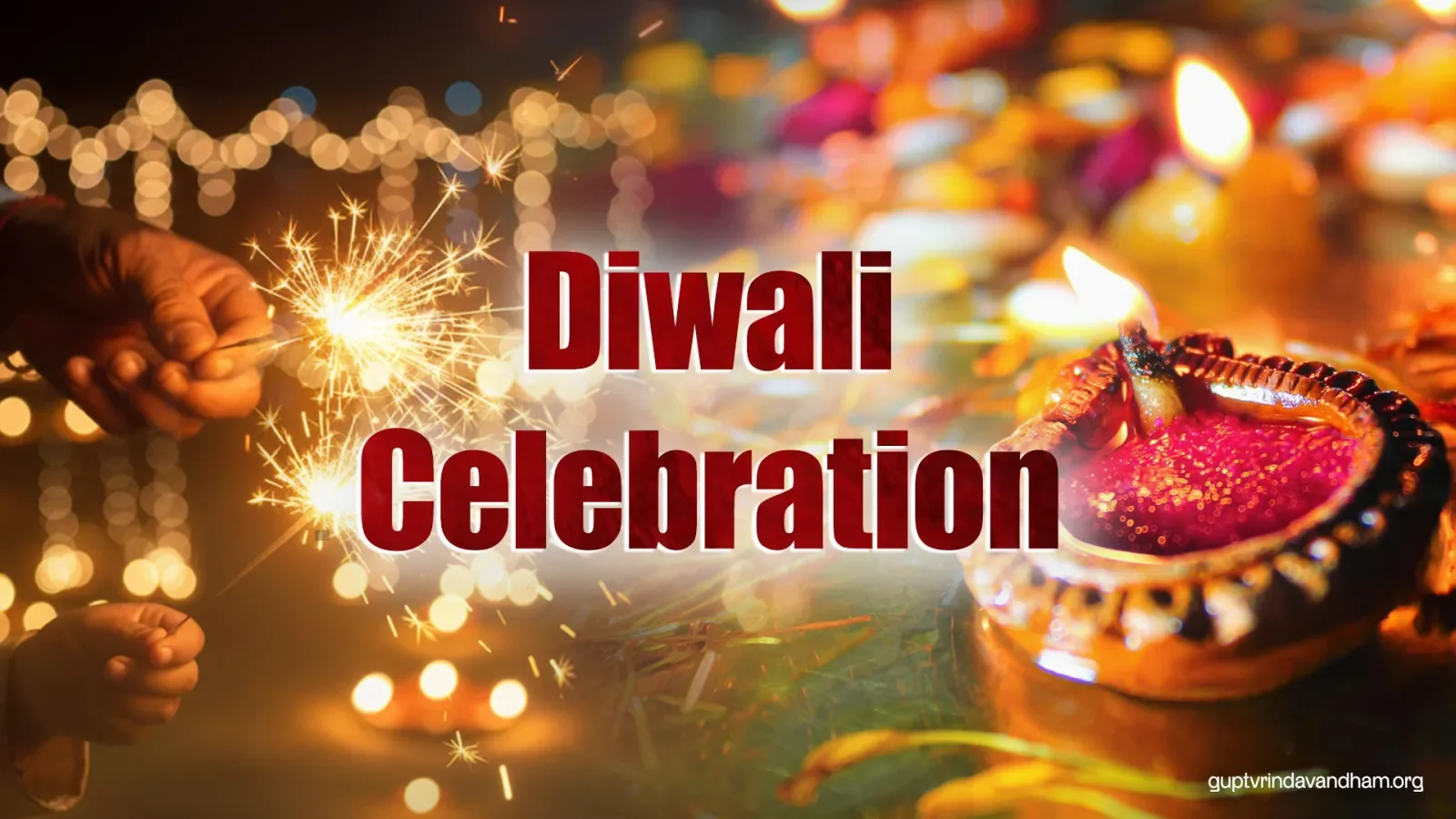
- Diwali (9 November): celebrated with lamps and worship, and remembered by Vaishnavas as Lord Rama's return to Ayodhya.
- Govardhan Puja and Annakuta (10 November): recalls Krishna lifting Govardhan Hill to shelter Vraja, observed with a large food offering.
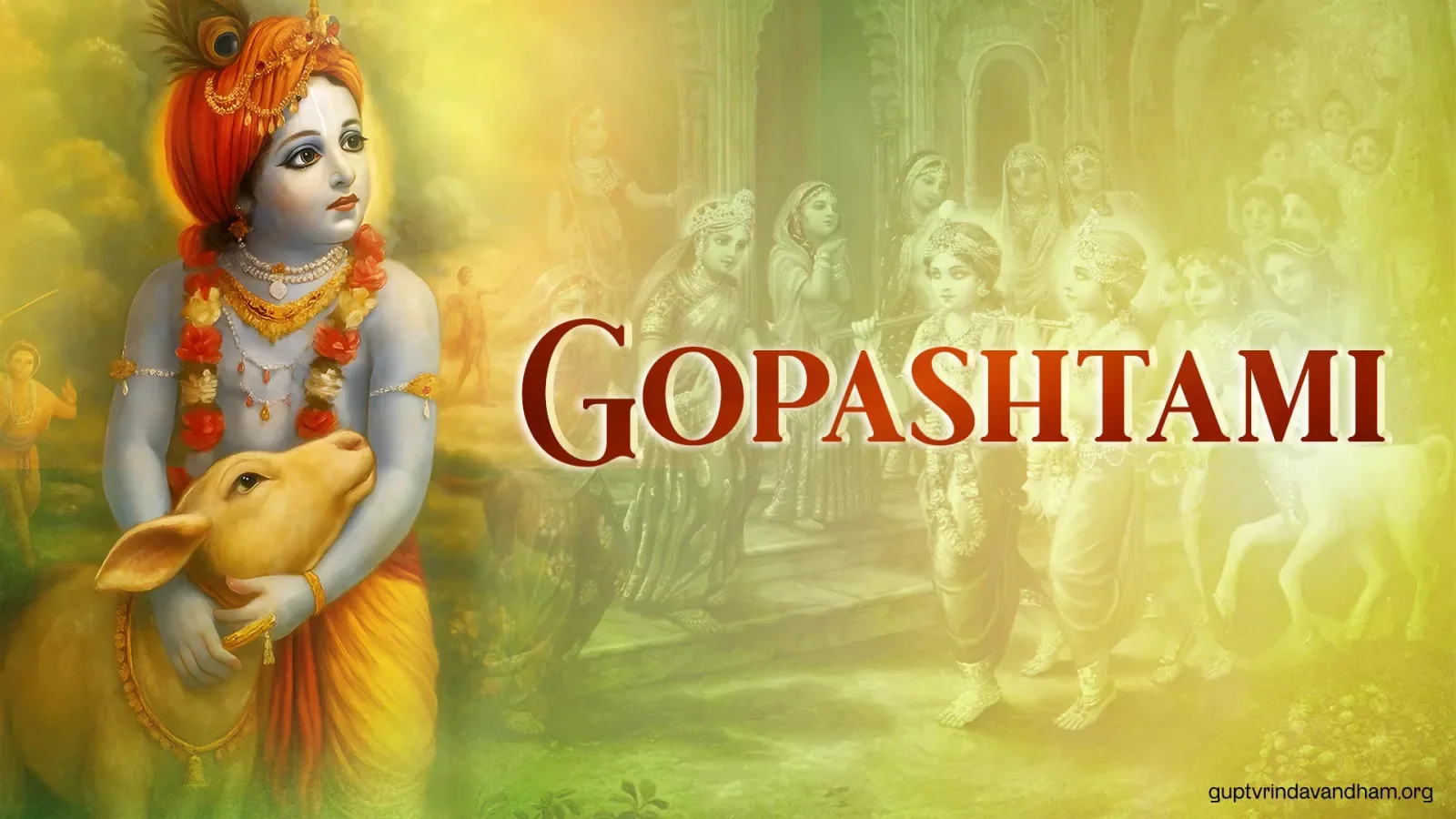
- Gopashtami (17 November): honours Krishna's cowherd pastimes and the care of cows.
- Ekadashi (5 and 20 November): days for extra chanting and focus. Confirm fasting rules with your temple.
- Kartik Purnima (24 November): the final day of the month, marked by worship, lamps, kirtan and gratitude, along with a resolve about which good habits to keep.
What to Avoid
Devotees generally avoid intoxicants, non-vegetarian food, gambling and anything that weakens self-control, and try to reduce anger, gossip and pointless argument. A vow should never become a reason to look down on others. If you are unsure about any traditional restriction, ask a trusted teacher or your temple rather than trusting unverified claims online.
If You Are Just Beginning
Start small. Attend at least one temple programme during the month. If you miss a day, simply start again the next day instead of giving up.
The Real Point
The worth of Kartik lies not in the number of lamps or the severity of a vow. It lies in turning the heart toward Krishna through remembrance, service and sincere prayer. The discipline you gain this month can continue long after Kartik Purnima.
Take Part in Kartik Seva
To join the Kartik Deepotsav at Hare Krishna Vaikuntham, Visakhapatnam, you can offer a seva online here: Kartik Deepotsav seva. For more, see Your Kartik 2026 checklist and Bound by Love: the Damodar pastime and the Damodarashtakam.